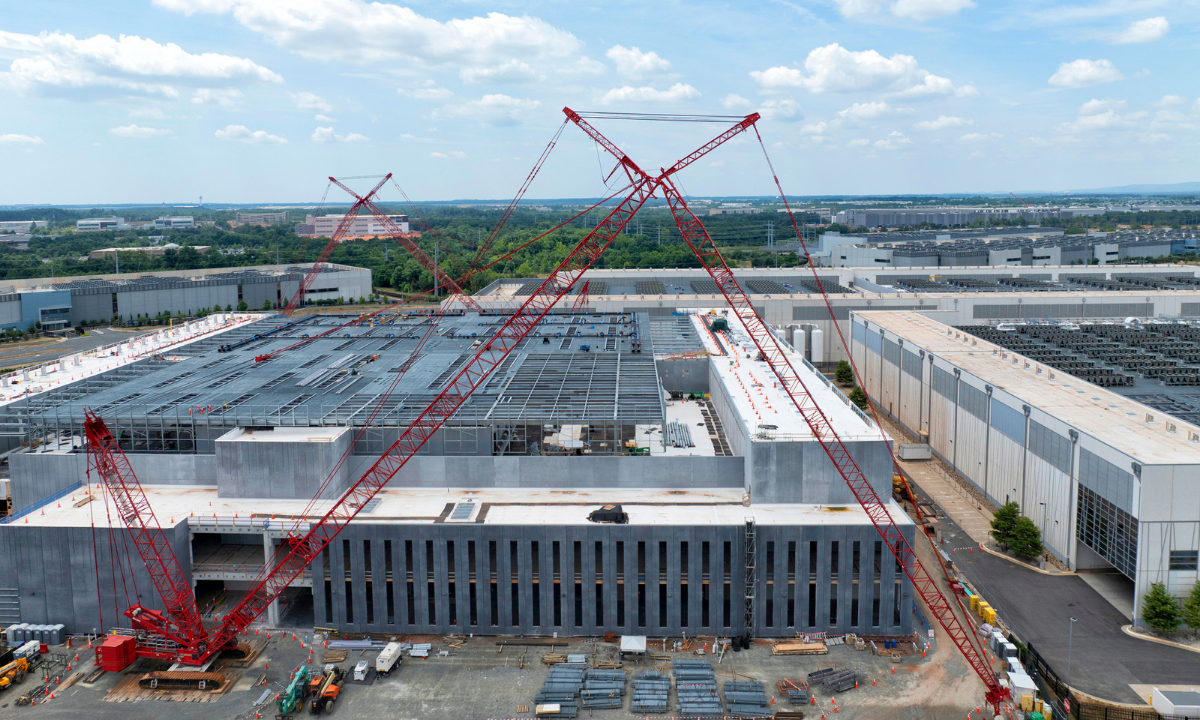
The backlash against data centres and other mega projects is starting to show up in more places, from the Americas to Europe. Projects framed as economic wins are being questioned, and in some cases rejected, by the communities they are meant to support.
For decades, this kind of development was an easy sell. Not anymore.
Now the concerns are more immediate. High energy demand. Pressure on water and land. Limited job creation once construction ends. Rising costs with unclear local upside.
This pushback on data centres and other energy-intensive projects suggests something broader is taking shape, and it feels familiar. Years of recent discussion around overtourism showed what happens when growth metrics and local outcomes drift apart. What is different now is that this isn’t just about visitors versus locals during high-season.
Let’s call this new phase “overgrowth,” as it is manifesting in other parts of people’s lives, and all year long. Simply put, it is development that moves faster and scales larger than a community’s ability to shape it or benefit from it.
Overtourism was an early sign. Now we’re entering a wider phase.
Overtourism was the canary
Barcelona’s water gun protests became a symbol for something that had been building for years. Residents pushing back against a system that kept optimizing for more. More visitors. More hotel beds. More short-term rentals.
Cities across Southern Europe and other warm-weather destinations saw similar tensions. The issue boiled over when it was perceived that growth was happening around locals and not with them.
Policies followed like tourist taxes, rental restrictions, and limits on cruise ships, to name a few. Even campaigns to actively discourage certain types of visitors were activated in primary source markets.
What did those responses reveal? That success could no longer be measured by volume alone. The relationship between growth and quality of life had broken down, and it needed to start focusing on who the growth was designed to serve.
Talent attraction is starting to face the same questions
A similar tension is showing up in talent attraction.
The idea that international talent drives up housing costs and displaces local workers has gained traction in political debates, extending far beyond the original challenges around distressed migrants.
In many cases, the data is nuanced. Skilled migration often fills gaps rather than replaces local workers. It can support economic activity that benefits wider communities, but perception is not following the data.
There is a gap between how policies are designed and how they are experienced locally. Talent strategies are often built around attraction alone, or seemingly with that external focus at the tip of the spear.
What happens alongside it is gets less attention. How is government treating housing supply? What training is offered for local workers? Are education systems adjusting to prepare people for the same opportunities being imported?
When those pieces are missing, the story of need appears more like a story for greed. Again, the pushback usually comes down to process, where communities feel like these decisions are being made for them, not with them.
Data centres, AI, and a different kind of resistance
Which brings us back to data centers and AI infrastructure. The concerns are practical: energy use; land and water consumption; strain on local systems.
Communities have seen this before, but the mix of positives and negatives was more in balance then. Investment arrives with strong promises and, most of the time, the progress (new jobs, new amenities) outweighed the drawbacks (more traffic, longer commutes).
Now add another layer: automation.
If AI is expected to reshape labour markets, this is a tougher pill to swallow. Why support infrastructure that may reduce future job opportunities, especially when the local return is uncertain or non-existent? In fact, scaling economies now equates to immediate increases on energy costs.
In some communities, this (over)growth feels detached. The scale and speed of investment are set externally while the impacts are felt locally.
Rethinking growth at the local level
There is no simple fix, but there is a way through it this. It requires a rethink in how places approach growth, and this goes well beyond just tourism.
As tourism boards envision a future as destination managers more than marketers, economic development teams are also now being challenged to think beyond attraction toward long-term, sustainable integration — of workers and of industry. This is a mindset change from growth to balance.
The Netherlands is already moving in that direction with its value-over-volume approach, and many cities in land-constrained Europe have been having similar discussions for years.
The time for broader discussions is here, and place brand leaders are in an ideal spot to help manage those conversations. This does not mean rejecting investment, talent, or visitors, but it also doesn’t mean accepting them blindly either.
It is about establishing boundaries, setting the terms more collaboratively, and proactively working with local communities to decide what trade-offs are acceptable.